Around October each year, the North China Plain enters its winter wheat sowing window, and summer corn harvests are just completed. For farmers in Hebei and surrounding provinces, selecting the right varieties and managing key agronomic practices during autumn planting directly impact next season's yields. This article compares suitable growing regions and critical considerations for wheat and corn across Hebei's major production areas, focusing on three dimensions: heat accumulation zones, soil conditions, and disease pressure.
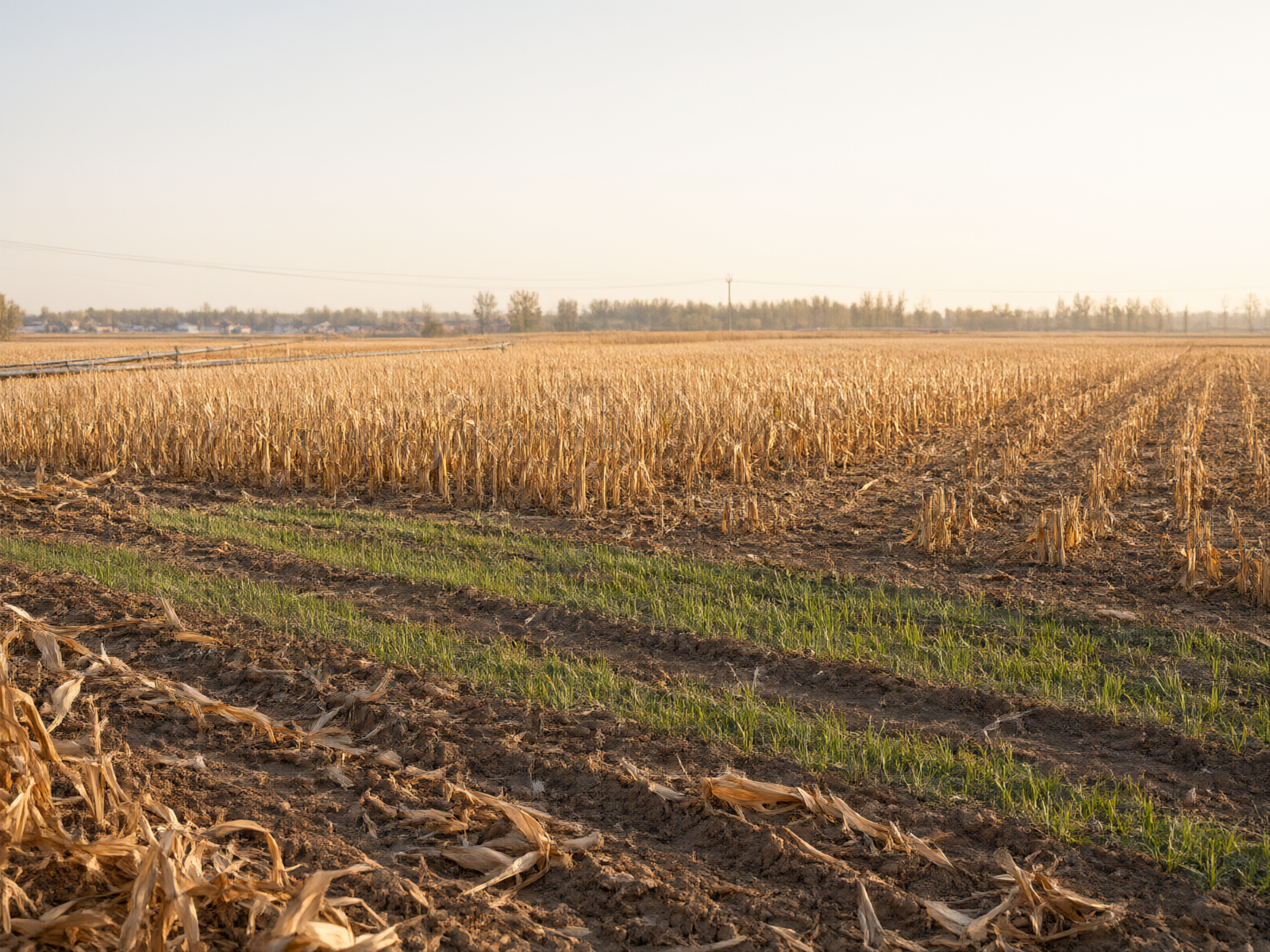
Wheat suitable growing regions: divided by heat accumulation zones
Winter wheat cultivation in Hebei Province is concentrated in the central, southern, and eastern plains. Based on accumulated temperature conditions: - Handan and Xingtai in southern Hebei have an annual accumulated temperature of ≥0°C exceeding 4500°C, making them suitable for semi-winter varieties. These varieties offer moderate cold resistance but higher potential grain count per spike. - In central Hebei (Shijiazhuang, Hengshui, Cangzhou), accumulated temperatures range between 4200–4500°C. Winter varieties are better adapted to low winter temperatures and ensure higher overwintering survival rates. - Tangshan and Qinhuangdao in eastern Hebei experience a maritime climate characterized by strong winter winds and shallow frozen soil layers. Semi-winter varieties with stronger lodging resistance are recommended here.
Accumulated temperature conditions in northern Shandong (Dezhou, Liaocheng) and northern Henan (Anyang, Xinxiang) are similar to those in southern Hebei, allowing for interchangeable variety selection. Southern Shanxi (Linfen, Yuncheng), located on the eastern foothills of the Loess Plateau, experiences dry and cold winters, requiring varieties with higher cold and drought resistance.
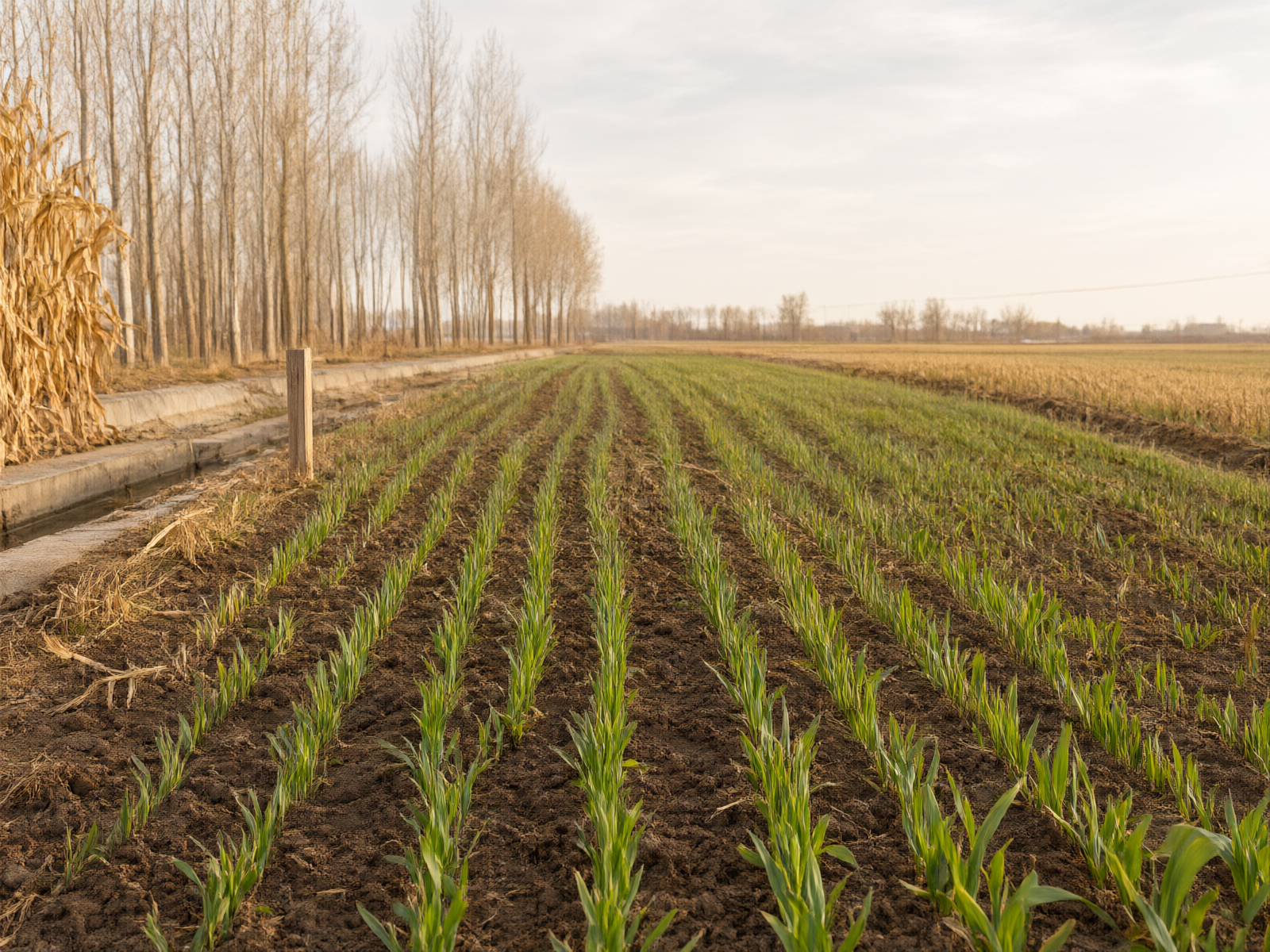
Key Points for Wheat Sowing Management
The optimal sowing period for winter wheat in central and southern Hebei is typically from 10/8 to 10/15. Sowing too early increases the risk of excessive growth before winter and raises the likelihood of spring frost damage; sowing too late results in insufficient tillering, making it difficult to achieve the target spike count per acre. Seeding rates should be adjusted based on the sowing date: for timely sowing, maintain 30,000–40,000 basic seedlings per acre; for late sowing, add 5,000 seedlings per acre for each day delayed.
Pre-sowing seed treatment is the first line of defense against seedling diseases. In areas prone to Rhizoctonia root rot and root rot, use coated seeds or treat seeds with fungicides. Apply adequate winter irrigation before dormancy and supplement with appropriate nitrogen fertilizer to ensure wheat survival through winter. After spring green-up, manage fields based on plant vigor; apply top-dressing fertilizer promptly in fields with insufficient stand density.
Corn Planting Zones: Match by Growth Duration
Hebei's summer maize is planted to align with the winter wheat cycle, typically sown in 6 and harvested from late 9 to early 10. Varietal maturity selection is determined by regional temperature accumulation differences.
In Zhangjiakou and Chengde of Northern Hebei, the frost-free period ranges from 130 to 150 days. Early-maturing varieties (growing season: 100-110 days) are required; otherwise, early autumn frosts may prevent full grain filling. In the Central Hebei Plain (Shijiazhuang, Hengshui, Cangzhou), the frost-free period is approximately 200 days. Medium-maturing varieties (growing season: 115-125 days) optimize light and heat utilization while ensuring safe maturation. Southern Hebei (Handan, Xingtai) offers more abundant thermal resources, allowing for medium-late maturing varieties (growing season: 125-130 days) with higher yield potential.
Heat accumulation in Shandong and northern Henan is similar to that in southern Hebei, so the variety selection approach is comparable. For summer planting areas in central Shanxi and the Guanzhong region of Shaanxi, consider local precipitation patterns and the autumn cooling trend; select varieties with faster grain-filling rates.
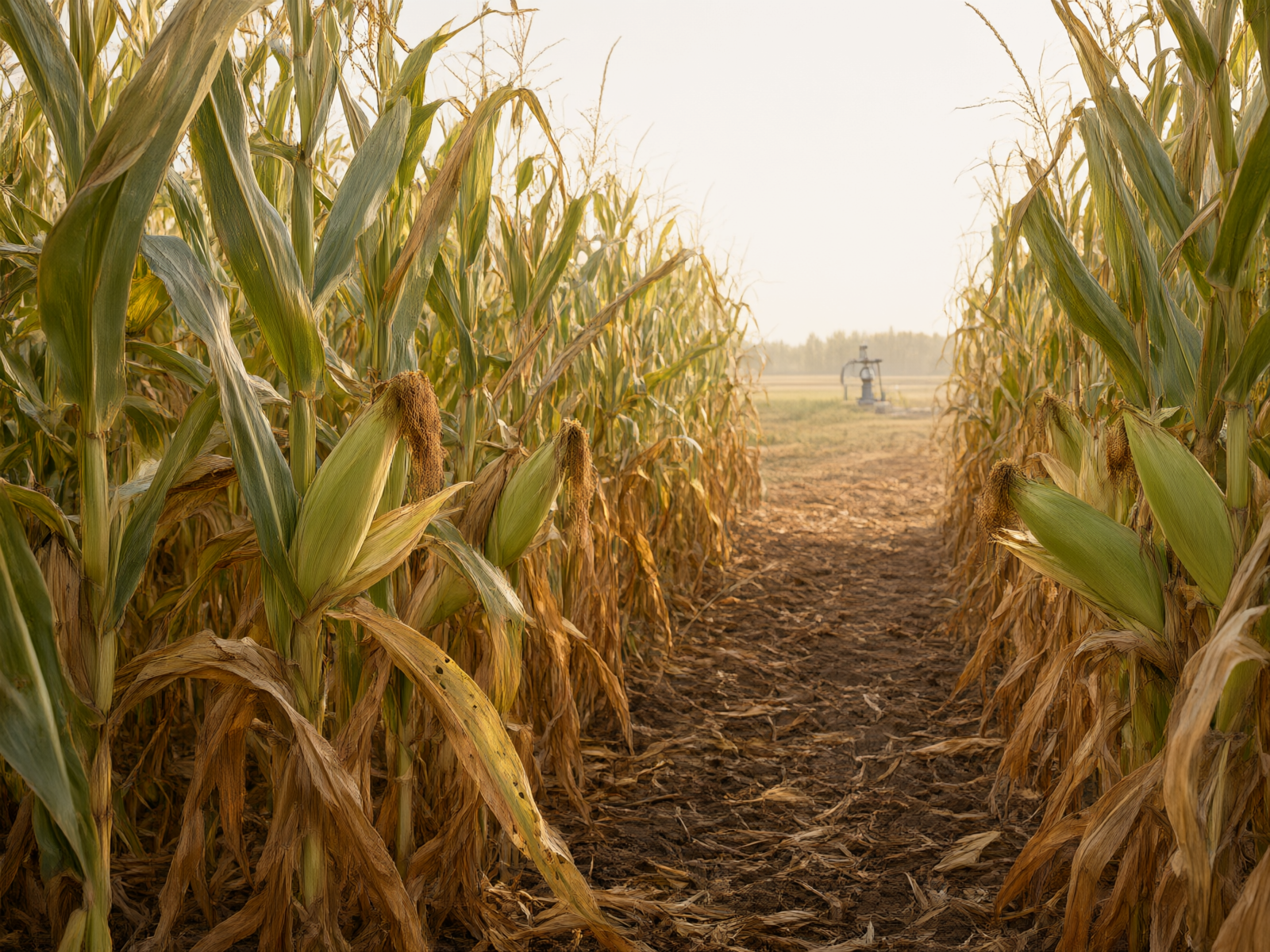
Corn Planting Tips
Plant density is a key driver of summer maize yield. Compact varieties (upright leaves, tight plant architecture) tolerate high density and can be planted at 4000-4500 plants per acre. Spreading varieties (flat leaves, loose architecture) have lower density tolerance; optimal planting density should be 3500-4000 plants per acre. Excessive density increases lodging and barren stalk rates, ultimately reducing actual yield.
For nitrogen fertilization, the big trumpet stage of summer maize (when leaves 11 to 12 have unfolded) is a critical time for top-dressing. Fertilizer applied at this stage accounts for more than 60% of the total amount needed throughout the growing season and directly affects the number of kernels per ear. In the Hebei Plain, drought often occurs during the late growth stages of summer maize, so water management at the jointing and grain-filling stages cannot be overlooked.
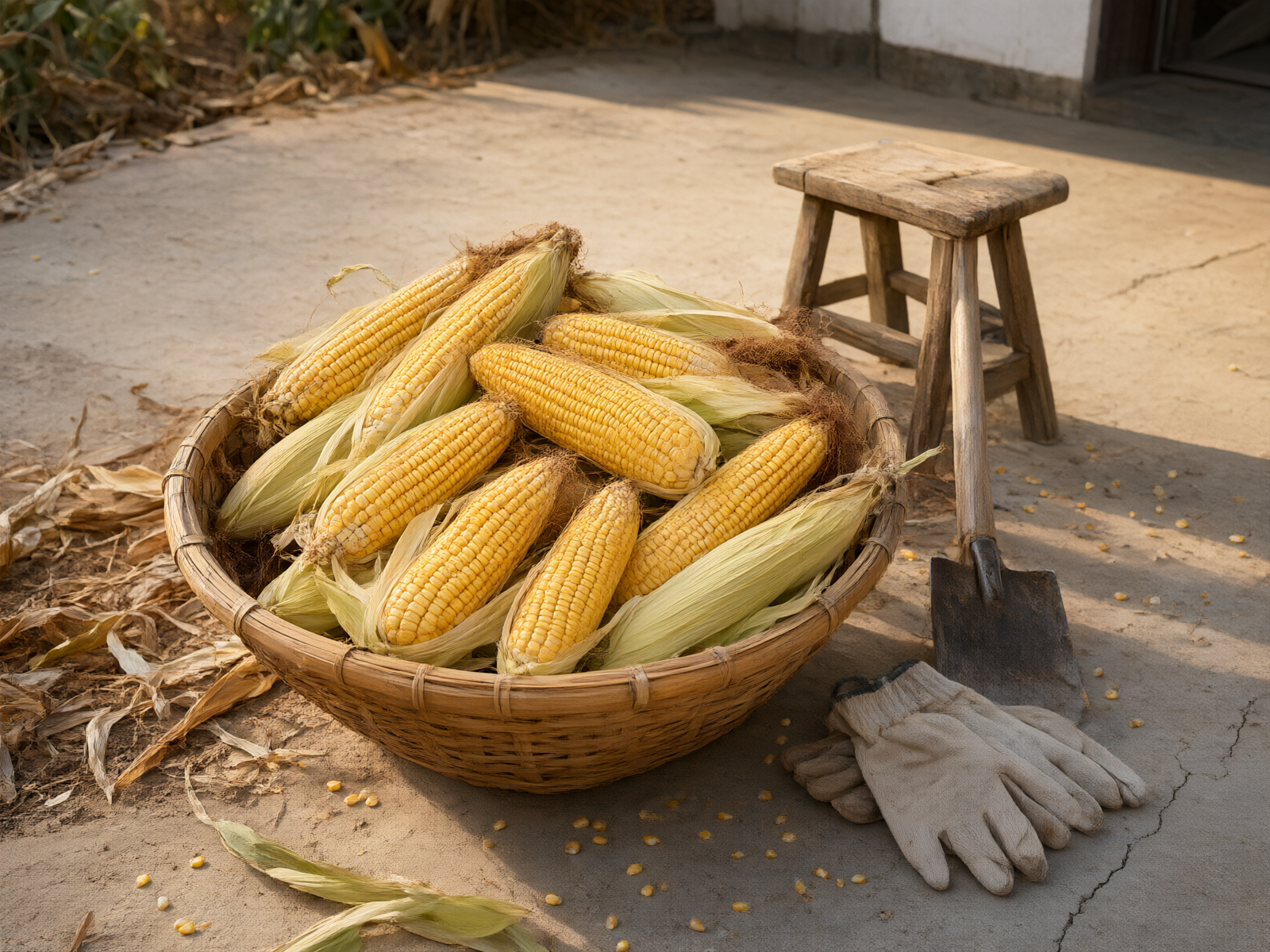
Core principles of seed selection
Variety selection must be adapted to local conditions. A variety that performs well in southern Hebei may fail to mature properly in northern Hebei due to insufficient accumulated temperature. When choosing seeds, farmers should not only consider yield potential but also verify whether the variety's approved growing regions include their area and whether its disease resistance matches local major pathogens (e.g., stripe rust and powdery mildew for wheat; stalk rot and ear rot for corn). Agricultural departments in provinces such as Hebei, Shandong, and Henan release annual catalogs of recommended leading varieties. Prioritizing varieties validated through regional trials can help reduce planting risks.
In wheat and corn breeding, Walinmen leverages Hebei Gongtan Technology's supply chain to implement end-to-end quality control across breeding, seed multiplication, processing, and sales. Its varieties cover Hebei Province and surrounding regions. When selecting seeds, growers can assess options based on their field's accumulated temperature conditions and disease history, referencing regional trial data from variety approval announcements.
Selecting seeds for autumn sowing hinges on matching local light and heat resources with disease pressure. Accumulated temperature, soil moisture, and pathogen loads from previous crops vary significantly across fields. Choosing varieties approved by national or provincial authorities that are suitable for local cultivation, combined with standardized field management, lays the foundation for next year's yield performance.