Seed selection is the smallest investment but highest-impact decision in planting. A variety that performs reliably in the Huang-Huai-Hai region may lack sufficient accumulated heat units in Northeast China; high-yielding wheat on the North China Plain might struggle with disease resistance in the Yangtze River Delta. Farmers often face information overload, unsure which metrics truly matter for their fields. This article covers corn, wheat, millet, and peanut—four major crops—and outlines key parameters to verify when selecting seeds by region, helping farmers make informed decisions.
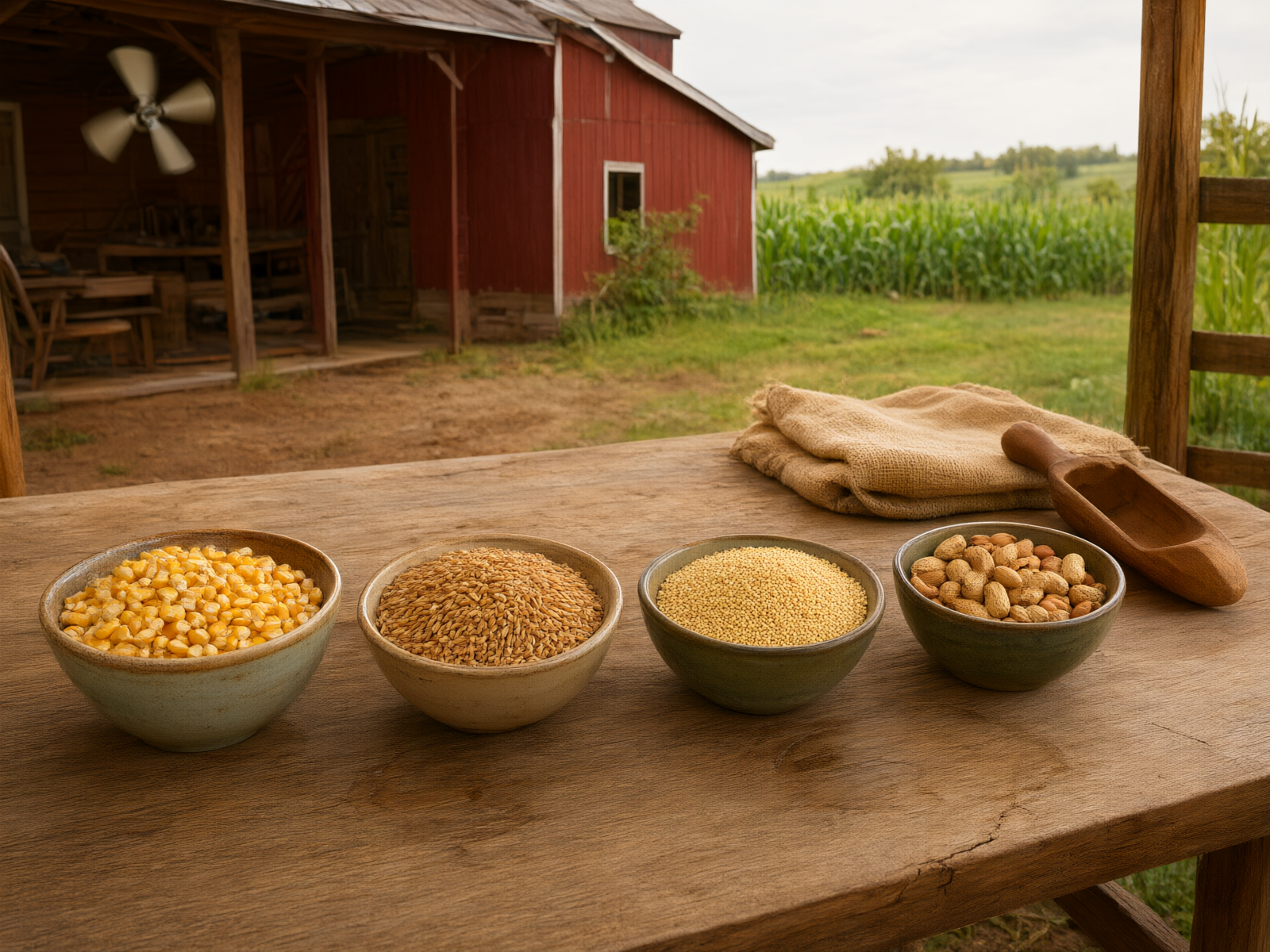
Corn Seeds: Accumulated Temperature and Planting Density Are Key Variables
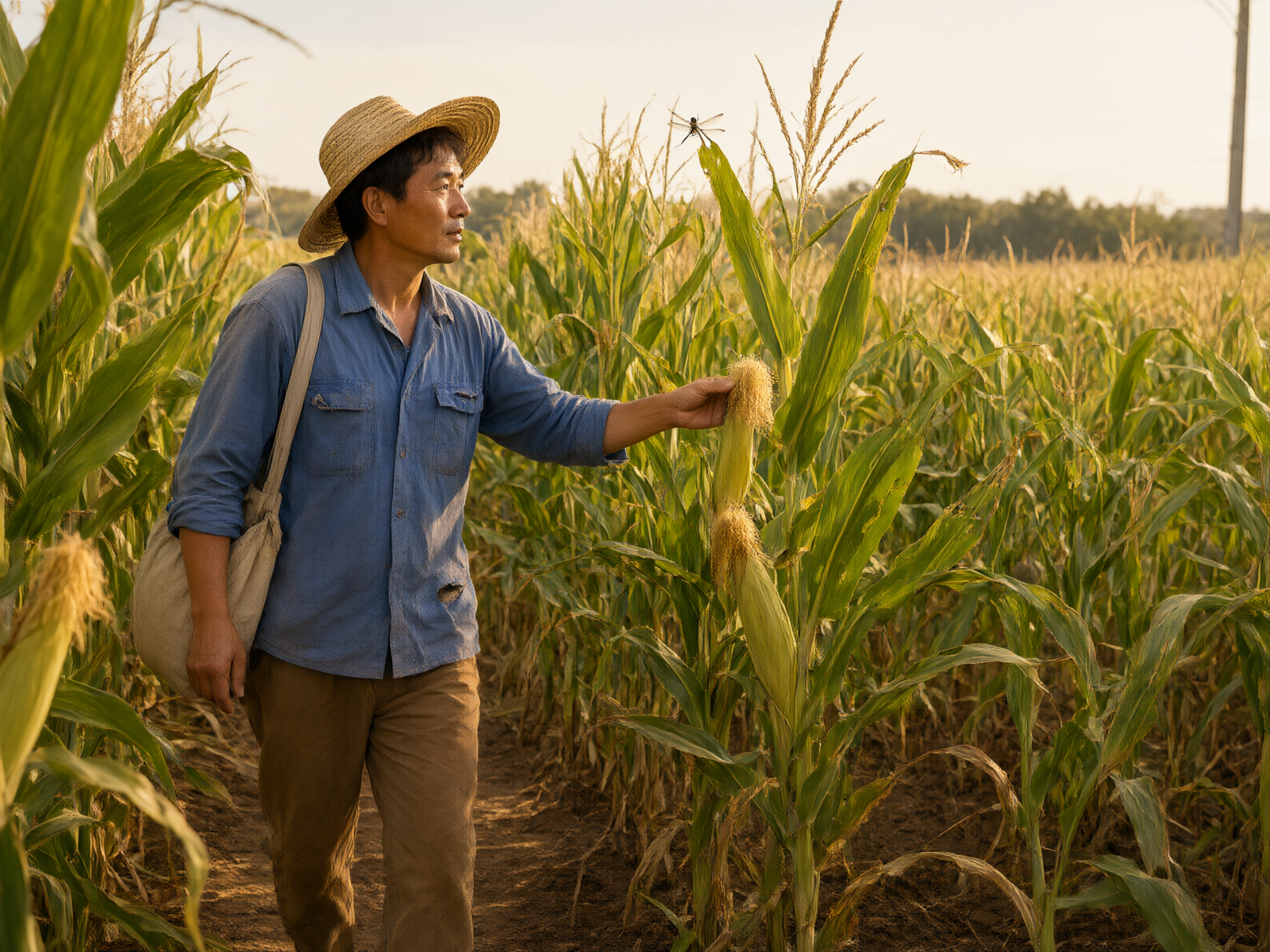
Variations in corn adaptability are primarily driven by heat accumulation requirements. In the Northeast spring-sown region, select mid-to-late maturity varieties with a growing season of 125 days or more, requiring effective accumulated temperatures above 2700℃. For the Huang-Huai-Hai summer-sown region, a growing season of 95-105 days is sufficient, but varieties must also exhibit heat tolerance and lodging resistance.
Three key parameters must be considered when selecting seed varieties. First, the official registration number: varieties approved by national or provincial authorities have undergone regional trials in target areas, with data supporting their adaptability. Second, planting density: compact types should be planted at 4000-4500 plants per acre, while large-ear types require 3000-3500 plants per acre. Mismatched density can directly impair ear development. Third, disease resistance ratings: pay close attention to resistance levels against stalk rot, ear rot, and southern rust, as these diseases have become increasingly prevalent in the Huang-Huai-Hai region in recent years.
For summer corn cultivation in Hebei, select varieties with moderate maturity and strong lodging resistance. The Wolimen corn series has been screened through multi-year regional trials and demonstrates stable performance in major growing areas including Hebei, Shandong, and Henan.
Wheat Seeds: Tillering Capacity and Disease Resistance Profile Determine Yield Structure
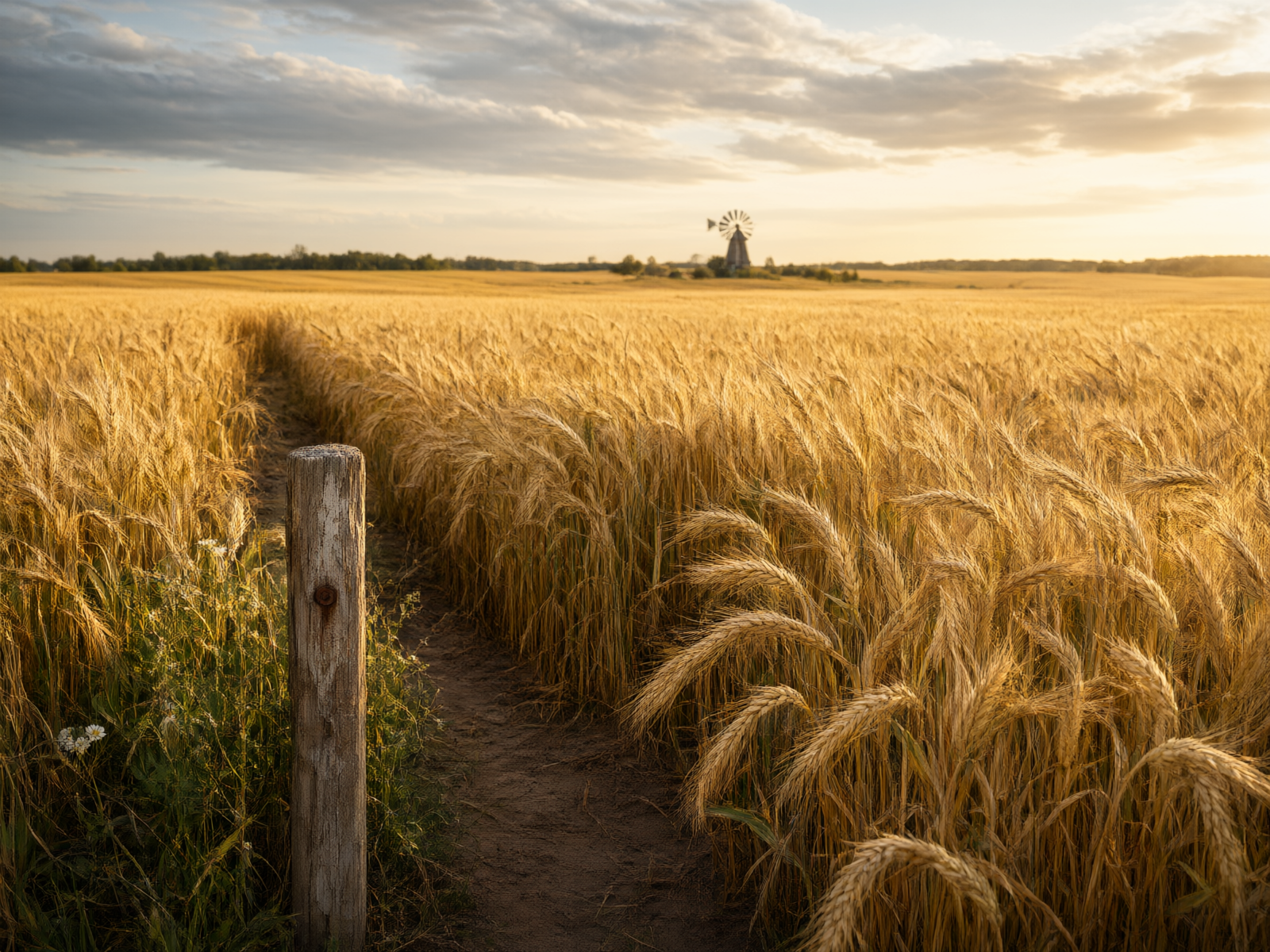
Wheat seed selection differs from corn: corn relies on yield per plant, while wheat depends on population structure. Varieties with strong tillering capacity form a more optimal spike count under the same seeding rate, but excessive tillering increases the risk of lodging later in the season.
Key selection criteria for winter wheat in the Huang-Huai-Hai region: 1. Winter-hardiness type: Strongly winter varieties offer better cold resistance but develop slowly; weakly winter varieties develop quickly but are vulnerable to spring frost. In northern and central Hebei, semi-winter or slightly winter types are recommended. 2. Disease resistance spectrum: Powdery mildew, stripe rust, and Fusarium head blight are the three major diseases. Resistance profiles vary significantly by variety, so growers should select based on local disease records from the past three years. 3. Plant height: Short-stature varieties resist lodging but have shallow roots; medium-to-tall varieties have deep roots but are prone to late-season lodging. A height of approximately 80 cm is currently considered ideal. 4. Thousand-kernel weight: This metric reflects grain-filling capacity. Varieties exceeding 45 g have greater yield potential when managed properly during the filling period.
Northern wheat seed production demands strict standards for variety purity and germination rates. The Wolimen Wheat series leverages over 6700 acres of consolidated land for large-scale seed production, adhering to three-field plot propagation and unified five-standard quality assurance protocols to guarantee seed quality from the source.
Millet Seeds: Balancing Quality and Mechanical Compatibility
Millet is a key minor cereal crop in North and Northwest China. In recent years, farmers have shifted from focusing solely on yield to prioritizing both yield and quality, while demand for mechanized harvesting has grown significantly.
Selection requires evaluating two key factors. First, quality metrics such as color, taste, and nutritional content. The North China market prefers golden, translucent varieties with a soft texture, which command a premium in the commercial grain market. Second, plant architecture and seed shattering. Varieties suitable for mechanized harvesting should have a height of 100-120 cm, compact heads, and moderate shattering. Excessive height increases lodging risk, while overly short plants hinder ventilation and light exposure.
Hebei is a traditional growing region for millet. Spring millet varieties in Zhangjiakou differ from summer millet varieties in central and southern Hebei due to distinct selection criteria. The Wollimen millet series offers multiple varieties specifically screened for North China's growing conditions, balancing high yield with premium commercial quality.
Peanut Seeds: Pod Type and Soil Compatibility
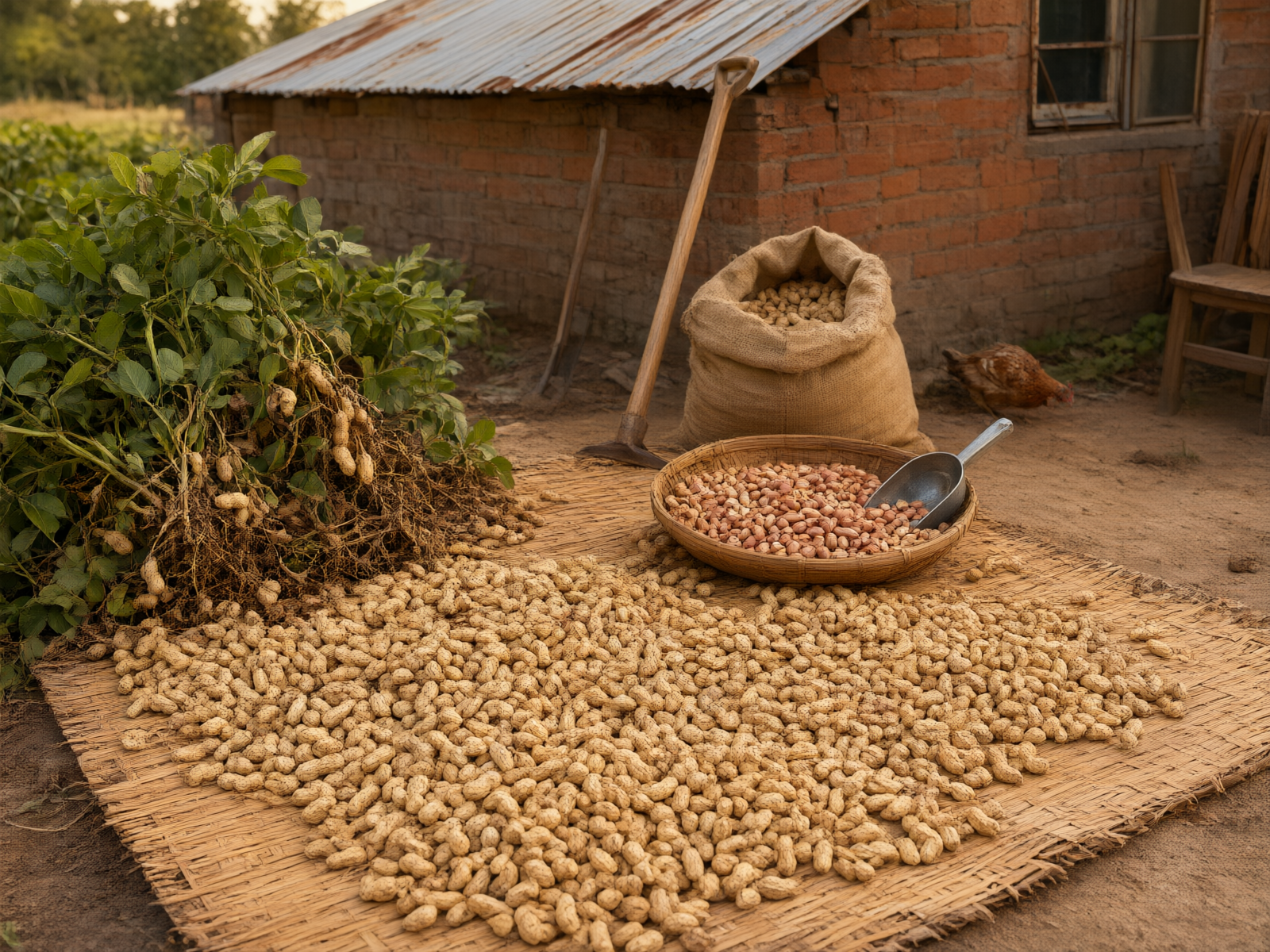
Selecting peanut varieties hinges on matching pod type to soil conditions. Large peanuts (market runner) have bigger pods and lower kernel recovery but offer superior marketability; they thrive in sandy loam soils. Small peanuts (Virginia type) feature smaller pods with higher kernel recovery, are suited for dense planting, and perform best in clay loam soils.
When selecting seeds, verify these key parameters. First, maturity period: spring peanuts require 130-150 days, summer peanuts 100-120 days; for wheat intercropping, choose mid-early varieties to avoid autumn low temperatures. Second, pod plumpness, which directly affects kernel recovery and oil content; high-plumpness varieties typically achieve kernel recovery rates above 70%. Third, disease resistance; net spot disease and root-knot nematodes are major threats in recent years, making variety resistance critical, especially in continuously cropped fields.
Shandong, Henan, and Hebei are major peanut-producing regions with distinct soil conditions. The Wolimen Peanut Series offers varieties tailored to each region's unique soil characteristics, allowing farmers to select the best fit for their specific fields.
Foundational logic for selection: data validation and source control
Selection strategies for the four major crops vary in focus but share a common underlying logic. Regional adaptability must be supported by official certification data, not just marketing claims. Seed quality assurance relies on standardized management throughout the seed production process; every step, from field roguing to processing and packaging, impacts final germination rates and purity.
Hebei Gongtan Technology Co., Ltd. implements closed-loop management across the entire value chain—from breeding to production and sales—for crops including corn, wheat, millet, and peanuts. We maintain long-term collaborations with research institutions such as the Chinese Academy of Agricultural Sciences and the Hebei Academy of Agriculture and Forestry Sciences to ensure high-quality scientific translation into seed varieties. When selecting seeds, farmers should not only evaluate variety-specific parameters but also assess the seed company's breeding system and traceability capabilities. This is a critical step in mitigating planting risks.